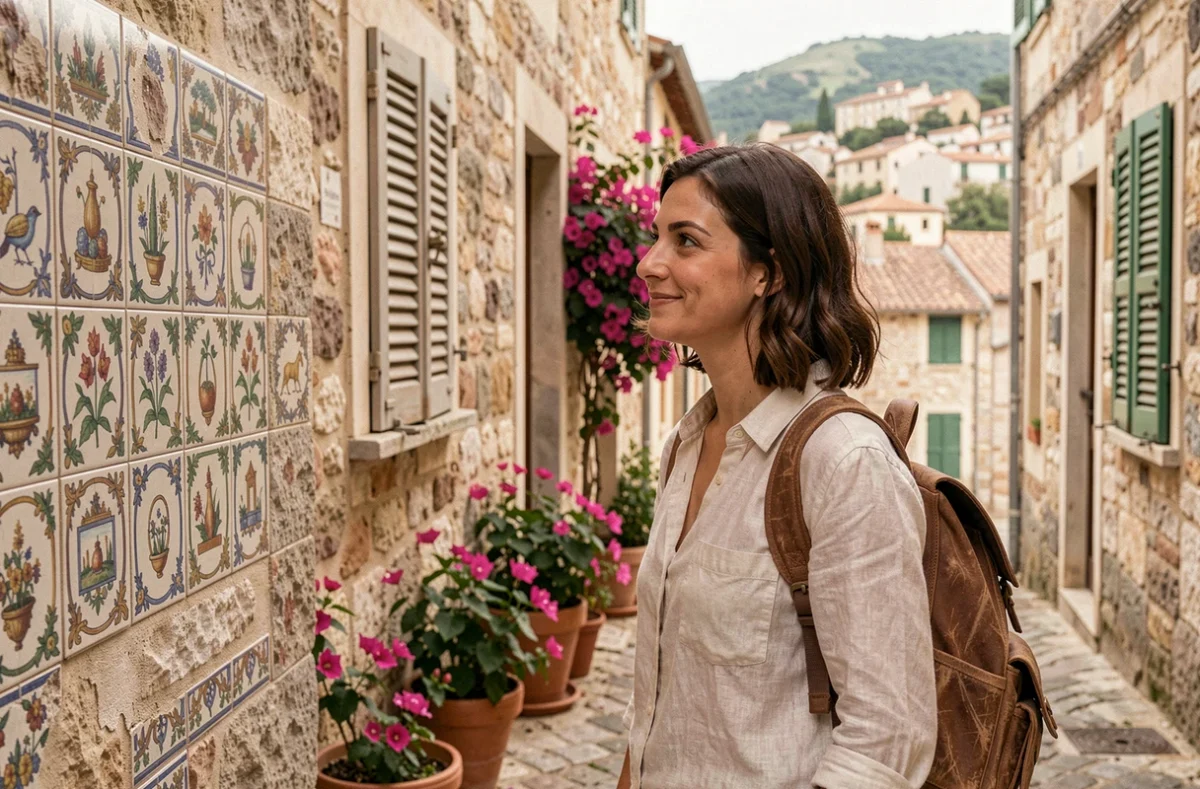
Choosing a destination for the season when it works best for both residents and visitors can radically change the travel experience. The European Travel Commission (ETC) notes growing interest among Europeans in trips in February and March, along with a stronger appeal for less crowded destinations.
This approach of choosing the right season rather than following popularity helps avoid both overtourism and too few visitors—two imbalances identified by the European Commission in its strategy for sustainable tourism.
Local visitor capacity and comfort thresholds: the criteria travel guides overlook
Most destination roundups focus on scenery or budget. They overlook a key factor: the actual capacity of local services to accommodate visitors at a given time of year. A Mediterranean coastal village equipped to welcome travelers in April cannot provide the same level of service in August, when the local population triples.
The ETC’s report on European tourism in the third quarter of 2026 confirms this trend. Northern regions attract more visitors in summer, while Mediterranean destinations are seeing winter demand grow. This seasonal shift is not a passing fad: it reflects travelers adapting to summer heatwaves that diminish the experience in southern Europe.
We recommend weighing three factors before choosing a destination: actual local weather (not the annual average), accommodation occupancy rates for your intended dates, and the availability of activity providers. Visiting a region that is ready to welcome visitors at the right time of year delivers an experience that is incomparable to visiting the same place at peak capacity.
Specialist platforms such as Les Voyageurs make it easier to research destinations by offering itineraries tailored to the seasonal realities of each region.
Nearby destinations and smaller regions: a shift is underway
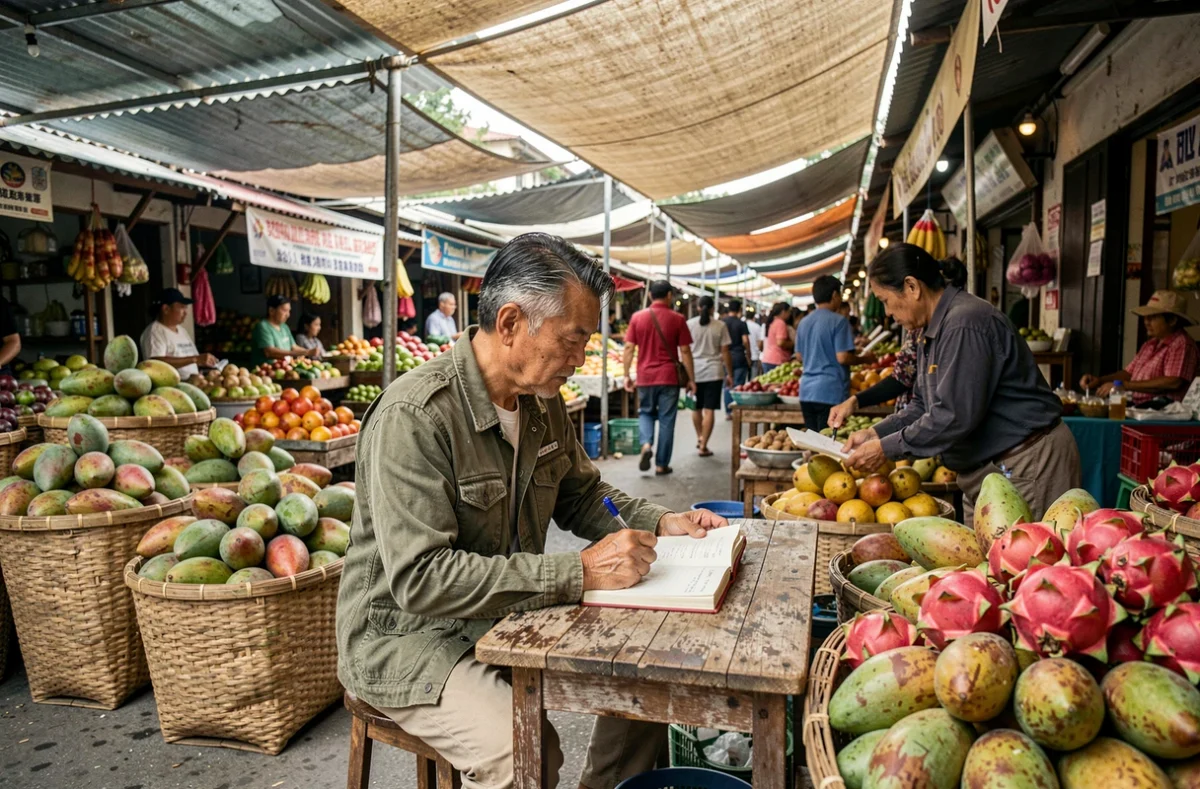
Major tourist capitals are losing ground in travel plans. The ETC notes that smaller destinations are outpacing several major destinations in terms of growth. This shift in visitor flows benefits secondary regions with adequate infrastructure that are not yet overcrowded.
In practical terms, a week in the Dalmatian hinterland in May now offers better value for the experience than a stay in Dubrovnik in July. The same logic applies to the Faroe Islands compared with Iceland, or Galicia compared with Barcelona.
What makes a smaller destination viable off-season
- A network of year-round accommodation (holiday cottages, bed and breakfasts, small family-run hotels), rather than places that close from October to April
- Local producers, markets, and restaurants that remain open outside the summer peak, making an authentic culinary experience possible
- Reasonable transport access: a direct flight or rail connection without a long transfer, even in the low season
- Activities suited to changeable weather (hiking, heritage sites, crafts) that do not depend solely on sunshine
These criteria quickly rule out destinations whose tourism economy depends on a three-month window. They highlight places such as the Azores, Italy’s Piedmont region in autumn, and Spain’s Basque Coast in winter.
Single-destination trips: go deeper instead of doing more
The ETC’s survey of autumn and winter travel in 2026–2027 reveals that staying in a single destination remains the preferred format among the European travelers surveyed. This runs counter to the multi-stop tours promoted by traditional tour operators.
Spending a full week in one region gives you access to what a quick visit rules out: Tuesday markets, trails locals take on weekends, and restaurants that do not appear on any review platform. Exploring a place in depth turns a trip into a stay that feels lived-in.
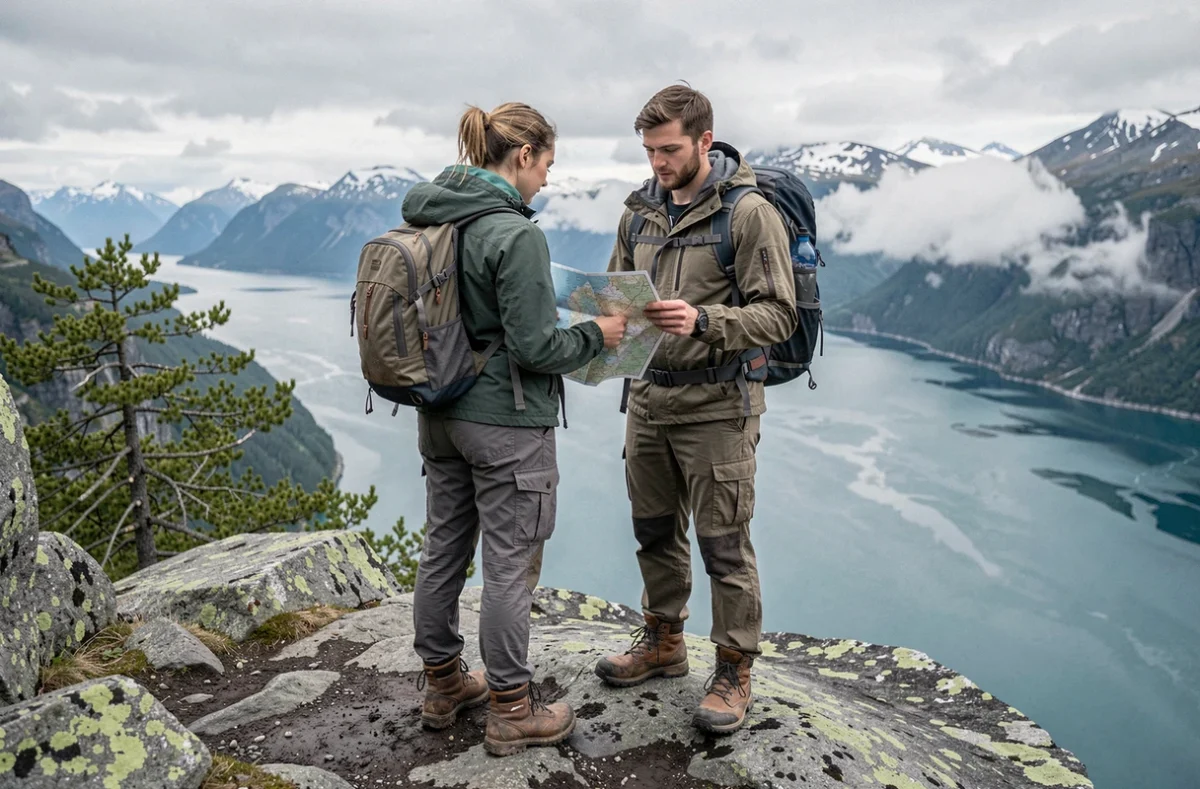
Three types of single-destination trips that work
The first is to set up a base in a central town and take day trips within a limited radius. The Luberon, Austria’s Tyrolean valleys, and Argentina’s Salta region are well suited to this approach.
The second is a slow, linear itinerary: follow a river, coastline, or long-distance hiking trail for five to seven days, changing accommodation each night. Traveling on foot or by bike creates an immersion that driving or flying cannot.
The third is a themed stay rooted in the destination: a week focused on local cuisine, diving, photography, or the grape harvest. The activity shapes the trip and connects you with local people through a shared interest, without the usual tourist filter.
Choose your destination based on actual weather, not its image
The gap between a destination’s image and its actual climate is behind most travel disappointments. Thailand in September, Morocco in August, and Patagonia in December are still marketed as viable options, even though the heat, humidity, or wind can make a stay uncomfortable.
Rising summer temperatures in the Mediterranean are making this recalibration more urgent. ETC data shows winter demand growing for destinations in southern Europe, a sign that travelers are now treating actual temperatures as a key factor in their choice.
For any destination, checking weather records from the past five years for your intended travel dates gives you a far more reliable picture than the climate averages published in guidebooks. A five-degree difference between the 30-year average and recent conditions is nothing unusual in the Mediterranean basin or Southeast Asia.
Traveling differently is about more than choosing an unfamiliar destination. The real difference lies in when you go and how deeply you experience the place. An ordinary place visited at the right time, with enough time to live there rather than just pass through, creates memories that even spectacular destinations in peak season cannot offer.