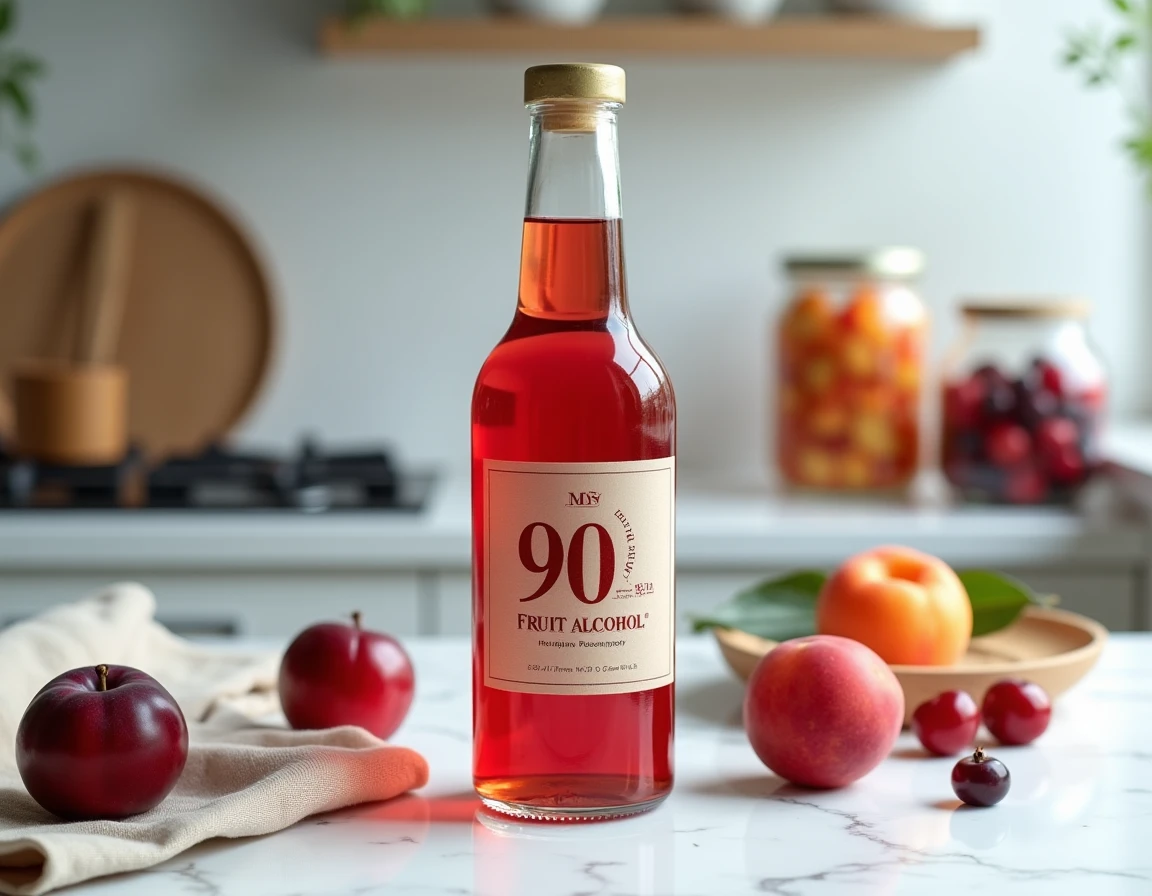
When you open the drinks aisle of a Leclerc looking for 90° alcohol to prepare fruits, you sometimes come across a bottle labeled “household alcohol” in the cleaning section, sometimes a food-grade bottle, and sometimes nothing at all. This confusion between two radically different products, one toxic and the other edible, appears in most user feedback.
The 90° alcohol for fruits at Leclerc remains a niche product whose availability varies by store, season, and local listing decisions.
90° Alcohol for Fruits at Leclerc: A Product That Disappears from Shelves Intermittently
Since the end of 2023, several E.Leclerc hypermarkets and drive-throughs have removed 90° alcohol for fruits from self-service sales. Some replace it with 40-45° alcohol or with pre-flavored “fruit in alcohol” preparations, even though the product is still listed in the national catalog of the brand.
We find ourselves in a situation where the listing depends on the choice of each store. A Leclerc in the South-West may offer it year-round. Another in Île-de-France only brings it out as cherry season approaches. A third no longer orders it at all.
For those looking for reviews on 90° alcohol for fruits at Leclerc, this irregularity is the first point of friction mentioned by consumers. Checking the store’s website by store (via leclerc.fr) has become a reflex before heading out.
The drive-through is sometimes more reliable than the physical aisle, but feedback varies on this point: some users report that the product appears online without actually being in stock.
Label Reading: Distinguishing Food Alcohol from Denatured Alcohol in Leclerc Aisles
The concrete trap is the coexistence of two bottles labeled “90°” in the same store. One is a denatured alcohol classified in the drugstore section, containing additives like camphor, methyl ethyl ketone, or bitrex. It is strictly unfit for consumption and potentially toxic if ingested.
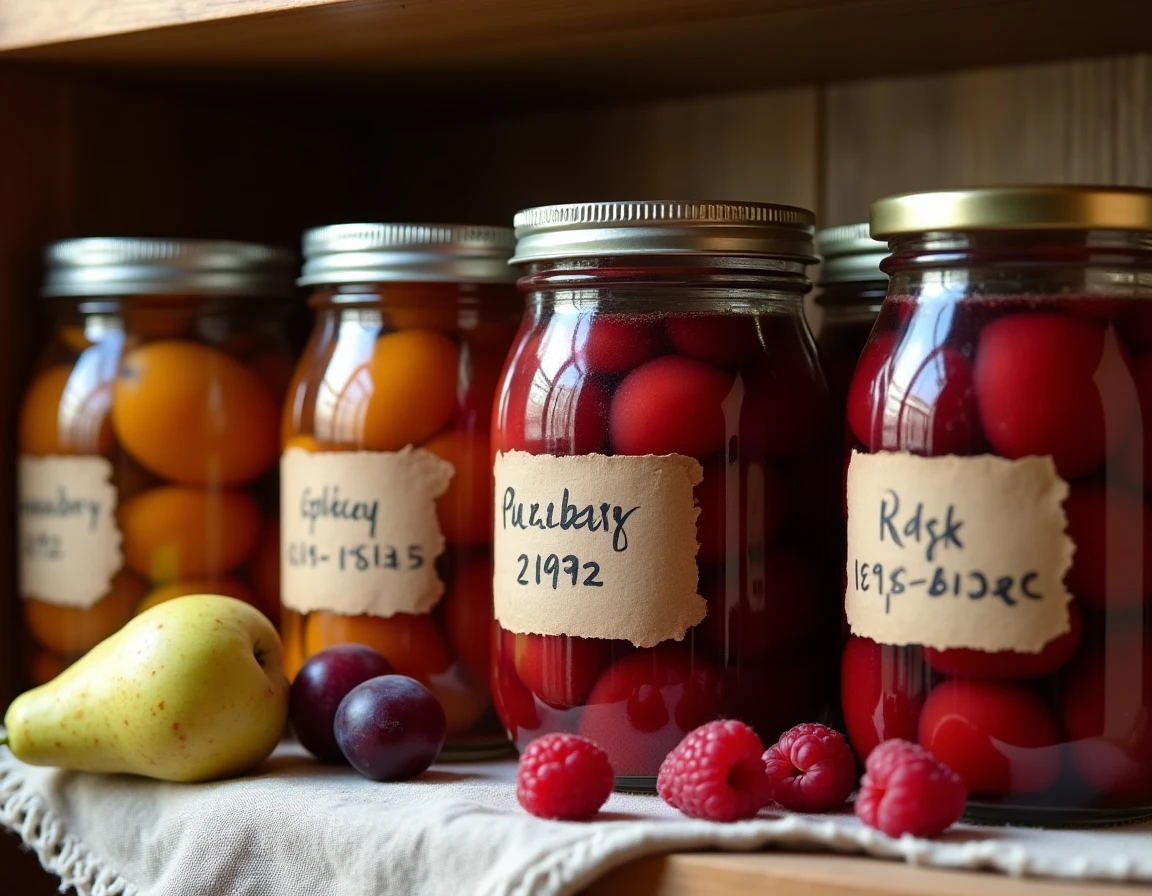
The other is a food-grade alcohol “for fruits,” subject to the regulations for spirits. It does not contain any denaturing agents and can legally be used for macerating cherries, raspberries, plums, or quinces.
What the Label Must Indicate
- The mention “fruit alcohol” or “drinking alcohol” indicates a food product. In the absence of this mention, you are facing a household product.
- The sales section gives a clue: a bottle found in the cleaning or drugstore aisle is never food-grade, even if the displayed degree is the same.
- The composition must be free of denaturing additives. If bitrex or camphor appear in the list, the product is not consumable.
This check takes ten seconds, but it avoids a real health risk. There are countless discussions on forums where users almost used household alcohol for their fruits.
Fruit Maceration in 90° Alcohol: Field Feedback on the Result
On forums and experience feedback, two schools of thought clash. The first prefers 90° alcohol for its extraction ability: the maceration is faster and the result is more concentrated in flavors. It is mainly used for cherries in brandy, raspberry liqueurs, or plum-based arrangements.
The second school, well represented on the Marmiton forums, favors 40° brandy for maceration. The main argument: the final taste is considered rounder, less aggressive in the mouth. A user on the Marmiton forum indicates using it to make raspberry, banana, and quince liqueurs, estimating that the result is “better than 90° alcohol.”
Maceration Time and Proportions According to Degree
With 90° alcohol, fruit maceration generally takes three to four weeks. The high degree accelerates the extraction of flavors and colors. It is then diluted with a sugar syrup to achieve the desired titration.
With 40° brandy, the maceration time extends but the final dilution is less, preserving a richer texture. The choice between the two depends on the type of fruit and the desired result: a liqueur to filter and serve as a digestif, or whole fruits to enjoy as they are.
Alternatives When the Leclerc Aisle is Empty
When food-grade 90° alcohol is missing in stores, three options frequently arise in user feedback.
- Ordering online from retailers specializing in spirits or distillation equipment. The price per liter is often higher than in supermarkets, but availability is stable.
- Fruit brandy at 40-45°, sold in the spirits aisle at Leclerc and in most supermarkets. This is the most common substitute for maceration, even if the result differs.
- Direct request to the aisle manager. Some stores agree to order the product on request, even if it is no longer listed for self-service.
Specialized online sales require checking the exact nature of the product (food-grade, not denatured) and delivery conditions, as the shipment of high-proof alcohol is regulated concerning flammable materials.
The product remains legal to purchase without special authorization for domestic use. The difficulty is not regulatory; it is logistical: finding the right bottle, in the right place, at the right time. For those accustomed to homemade fruit in alcohol, anticipating the purchase at the beginning of the season remains the most reliable strategy.