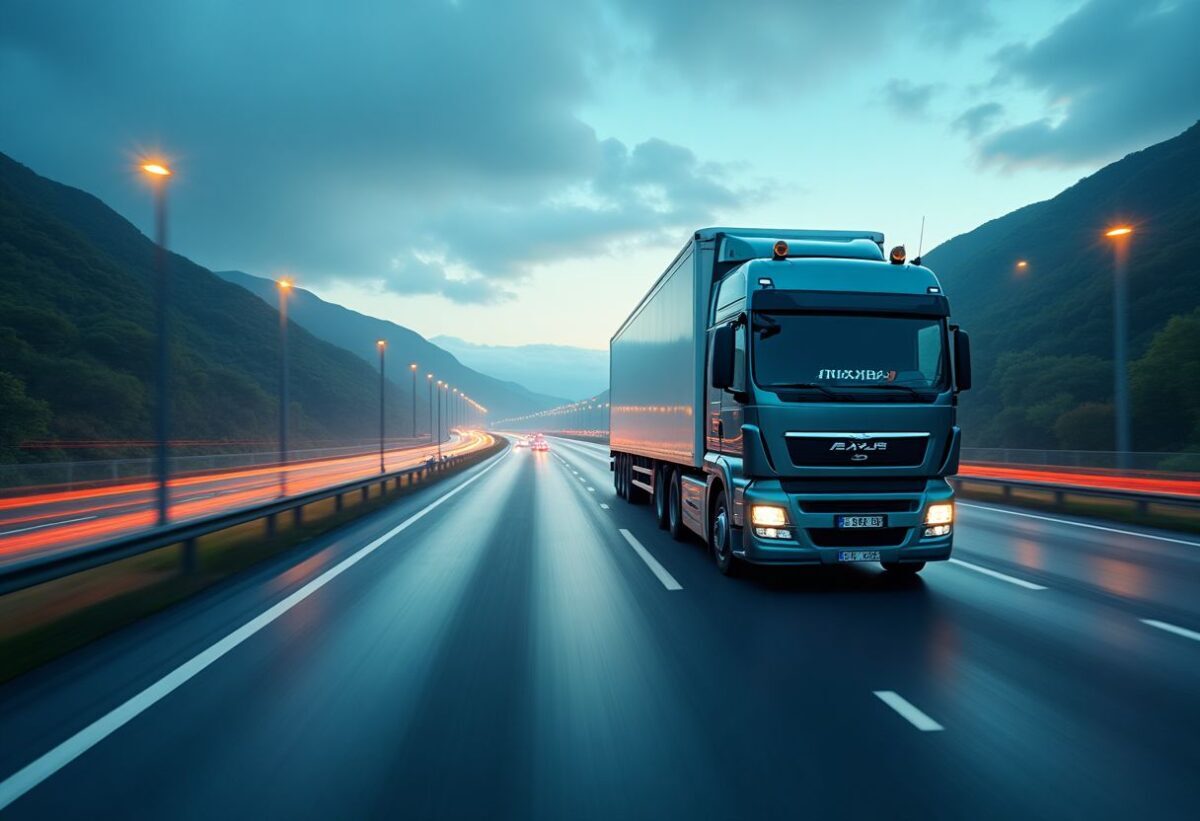
Companies that own vehicle fleets must constantly face complex challenges to maintain performance and reduce costs. This challenge becomes even more significant with the increasing pressure to adopt more sustainable and economically viable practices. Fleet tracking emerges as an essential response to effectively control vehicle management and optimize operations. By using advanced technologies and adopting suitable strategies, managers can transform these fleets into true levers of competitiveness.
The technological foundations of fleet tracking
The rise of technology has enabled a radical transformation in fleet management. Modern devices offer a range of tools that facilitate precise tracking of vehicles, driver performance, and routes taken.
- Telematics: At the heart of this system, telematics allows for the collection of real-time data. This information includes GPS location, fuel consumption, and driving habits. Managers can thus make decisions based on concrete data.
- IoT sensors: Integrated into vehicles, these sensors collect additional data on mechanical performance, reducing the risk of sudden breakdowns and enabling predictive maintenance.
- Management software: These platforms centralize all information and present it in the form of intuitive dashboards. This allows for quick visualization of performance and effective management of available resources.
Cost optimization through fleet tracking
Reducing costs while maintaining quality service is often one of the main objectives of companies. Fleet tracking plays a determining role in this regard.
- Reduction of fuel consumption: Through the analysis of driving data, companies can identify risky behaviors, such as sudden accelerations or abrupt slowdowns, to correct them.
- Preventive maintenance: By anticipating maintenance needs, managers reduce unexpected costs and extend the lifespan of vehicles.
- Route optimization: Tracking tools allow for the selection of the shortest or least congested routes, thus decreasing travel times and associated costs.
Improving safety through rigorous tracking
Safety is a priority in the transportation sector, both for drivers and for the goods being transported. Fleet tracking significantly enhances this aspect.
Some companies have implemented alert systems to prevent accident risks in real-time. These systems rely on behavioral analyses of drivers. Regular training for drivers, based on collected data, helps reduce the number of accidents. Monitoring devices also provide increased security against cargo theft, immediately alerting in case of deviation from the planned route.
Ecology and social responsibility: the positive impact of fleet tracking
At a time when the ecological footprint of human activities is closely scrutinized, fleet tracking acts as a catalyst for more responsible practices.
Encouraging eco-responsible driving practices through training and incentives helps reduce carbon emissions.
Moreover, by optimizing routes and limiting unnecessary trips, companies reduce their environmental impact. When consumption and emissions data are centralized, it becomes easier to set sustainability goals and measure their progress over time.