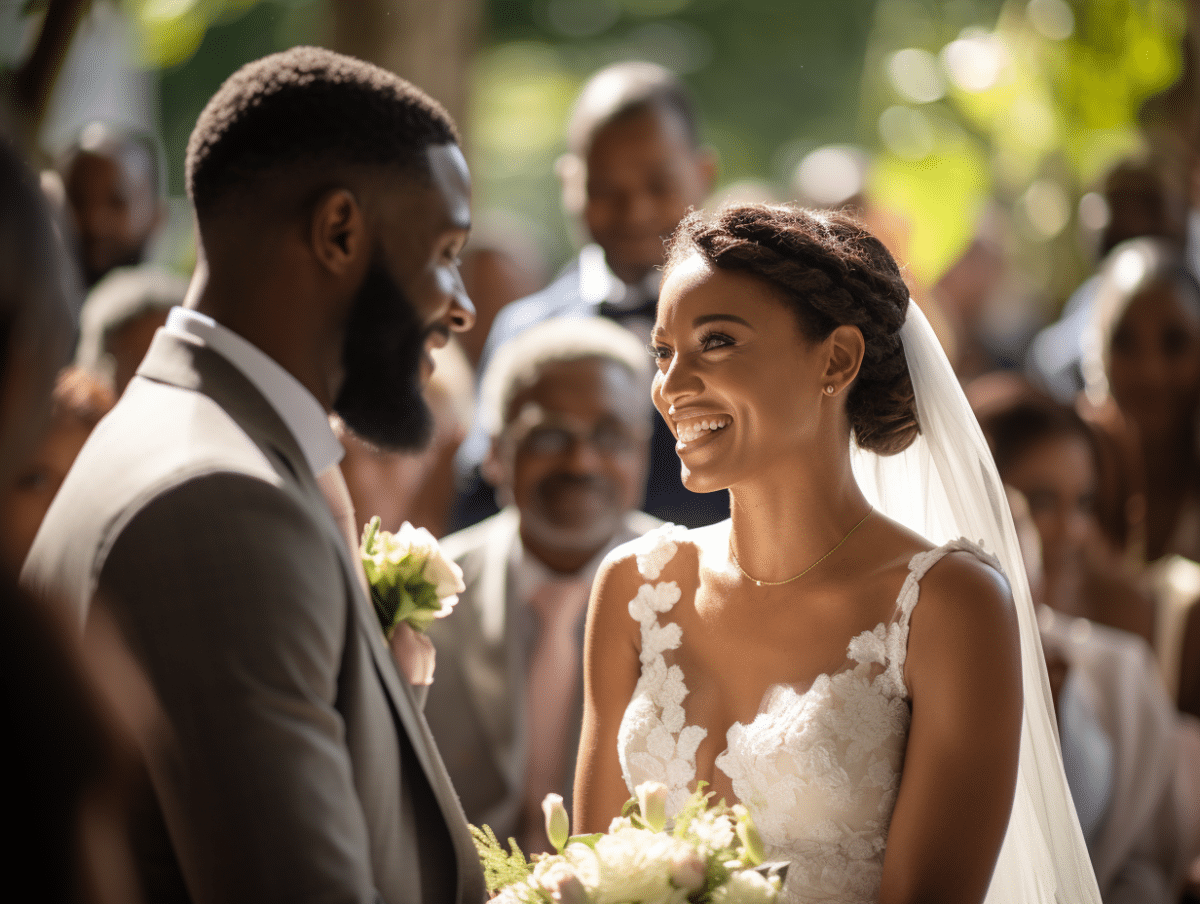
At the heart of Western wedding ceremonies, the phrase ‘yes, I do’ marks a moment of solemn commitment between the future spouses. Historically, it is observed that the man is often the one who utters these words first, following an order that reflects patriarchal societal structures. This practice is not immutable and can vary according to personal choices or cultural traditions. This verbal ritual, laden with emotion and symbolism, seals the agreement of both individuals to unite before their community, their families, or any legal or religious authority responsible for validating their union.
Origins and meanings of ‘yes, I do’ in wedding ceremonies
Wedding traditions are deeply rooted in time and reflect the cultural and religious values of societies. The exchange of consent constitutes the heart of the sacrament of marriage, where the engaged couple promises each other love and fidelity. This solemn moment is often crowned by the mutual giving of wedding rings, rings symbolizing the love and fidelity of the spouses. The recitation of wedding vows, among which is the famous ‘yes, I do’, is the concrete sign of this mutual commitment, sealing the wedding ceremony.
The practice of exchanging consent, often preceded by a wedding blessing, is part of a deeply spiritual approach. The rings, exchanged by the engaged couple, are not mere jewelry, but meaningful objects, signs of love and fidelity that materialize the promises exchanged. The sacred dimension of this exchange is reinforced by the invocation of the Holy Spirit, often present in religious ceremonies, marking the solemnity of the moment and the divine presence in the union of the spouses.
As for the question of discovering who says yes first at a wedding, the answer can vary depending on cultures and personal traditions. In the context of traditional Western ceremonies, the groom is generally the one who takes the initiative. This can be explained by historical and symbolic reasons, where the man, considered the ‘head’ of the family, asserted his commitment first. However, this practice is evolving, and it is not uncommon today to see couples choosing to reverse or personalize the order of this exchange, thus reflecting balance and equality within the couple.
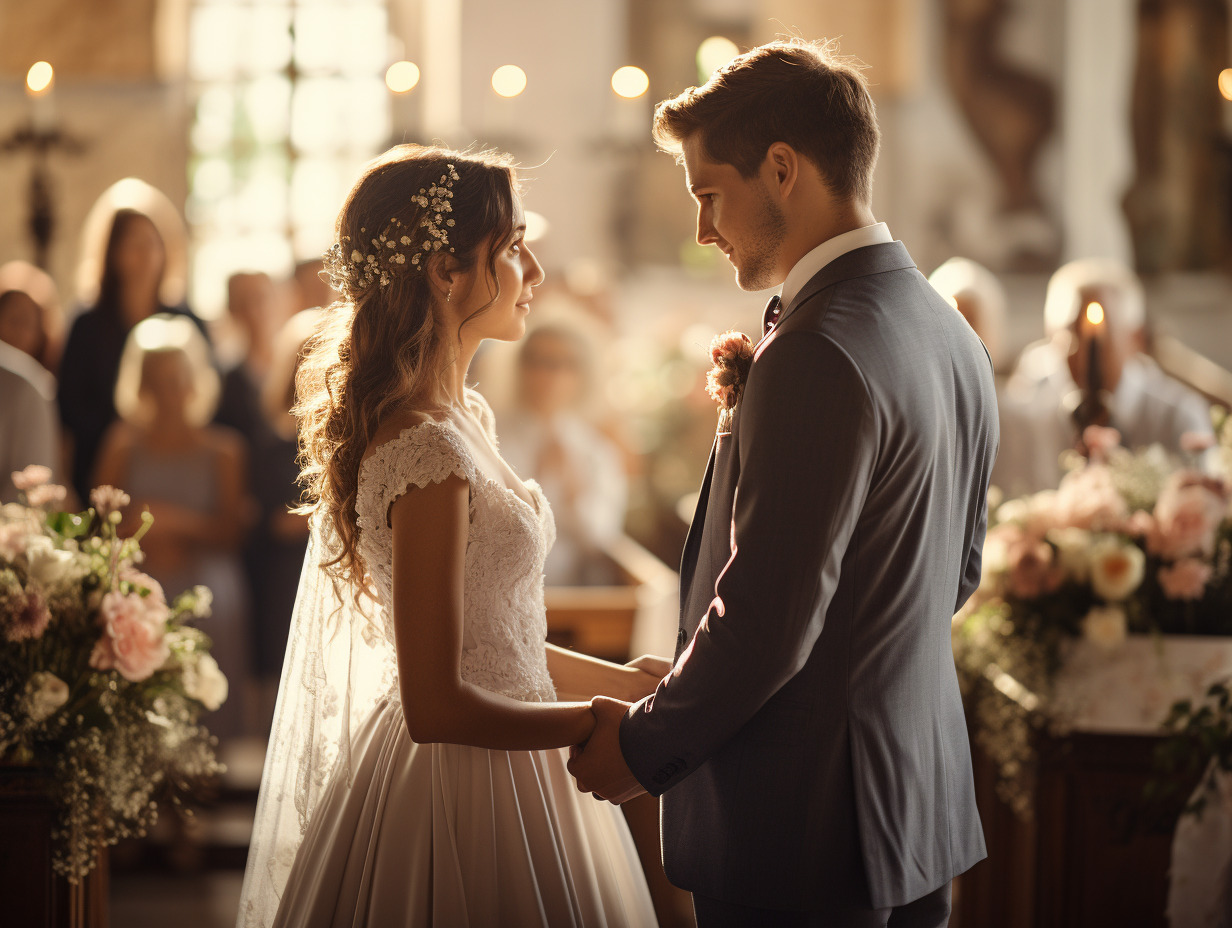
Who says ‘yes’ first? Analysis of traditions and cultural variations
The order of pronouncing the famous words ‘yes, I do’ can vary according to cultures and customs. Traditionally, in Western ceremonies, it is the man who speaks first. This custom has its roots in social structures where the man was often seen as the pillar of the family. This practice is not universal and evolves with the times and changes in roles within the couple.
In more contemporary ceremonies, the engaged couple may decide to personalize the order of this exchange. It is not uncommon to see the woman take the initiative or both pronounce their vows simultaneously. This modernization of wedding traditions symbolizes an evolution towards greater equality and mutual recognition of the commitments made by both parties.
The wedding speech, including the exchange of consent, is often orchestrated by the officiant, as evidenced by the example of Anne-Laure and Sébastien. The latter, guided by the priest, pronounces his vows before exchanging rings with his future wife. The officiant plays a key role in directing the ceremony, ensuring that the rites and traditions are respected.
Cultural variations can also influence the modalities of the exchange of consent. In some cultures, consent may be given more collectively, with the participation of families or other guests, such as bridesmaids or wedding witnesses. The confirmation of the marriage by the officiant, followed by a thanksgiving and a prayer of the spouses, generally concludes the ceremony, sealing the union of the two beings before their community and their faith.