Among the leisure activities practiced in France, some engage the body more, others focus on concentration, and still others foster social connections. The differences in practice between these categories reveal clear preferences, but also blind spots regarding how free time is actually used. This article compares several families of leisure activities based on available data to identify those that best meet a specific goal: exercising, learning, or creating connections.
Leisure and Sedentary Lifestyle: A Measurable Paradox
Having free time does not mean using it actively. In 2024, 28% of adults aged 18 to 79 reported sitting for more than seven hours a day. This figure encompasses both workdays and moments of rest, but it highlights a simple fact: a large portion of the leisure activities chosen by the French are static.
Listening to music, watching series, browsing social media: these activities dominate the ranking of preferred pastimes. They require little equipment, no travel, and easily fit into a busy schedule. However, they do not compensate for the lack of movement accumulated throughout the day.
A survey by L’Institut Paris Region conducted in 2024 among 2,500 residents confirms that proximity is the primary criterion for choosing a physical activity. Practitioners prefer a location close to home, whether it’s a forest, a street, or an open-access space. Resources like the Wiki FR site dedicated to leisure help identify activities that are accessible without expensive equipment or long travel.
Compared Leisure Activities: Concentration, Physical Exertion, and Social Connection
Not all activities serve the same purpose. The table below distinguishes several common leisure activities based on three criteria: the effort of concentration required, physical intensity, and socialization potential.
| Activity | Concentration | Physical Exertion | Social Connection |
|---|---|---|---|
| Board Games (2+ players) | High | Low | Strong |
| Group Hiking | Low | High | Strong |
| Creative Cooking | Medium | Low | Variable |
| Online Courses (language, instrument) | High | Low | Low |
| Indoor or Home Sports | Medium | High | Low to Medium |
| Volunteering | Variable | Variable | Strong |
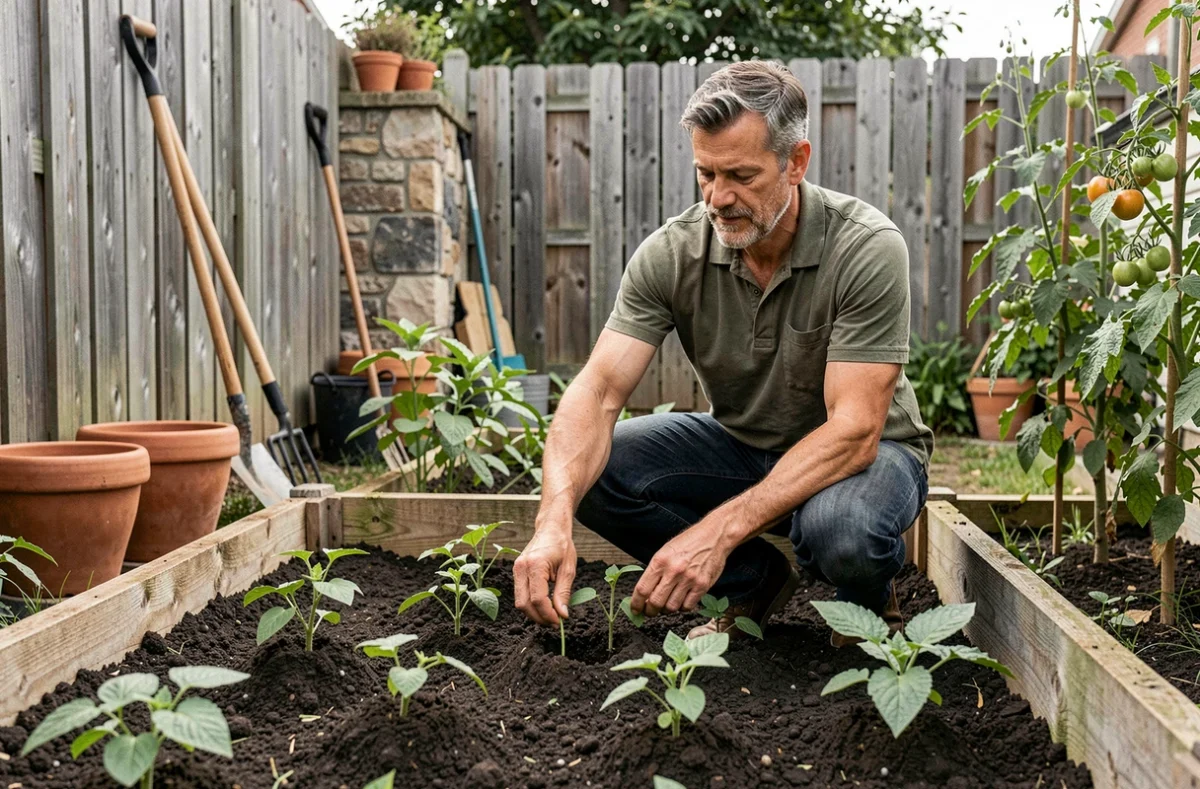
| Gardening | Medium | Medium | Low |
This table highlights a often overlooked point: leisure activities that require high concentration are rarely those that create social connections. Learning a new language online develops skills but isolates. In contrast, board games or group hiking combine stimulation and interaction.
Fun Leisure Activities for Children and Adults: What Works for Families
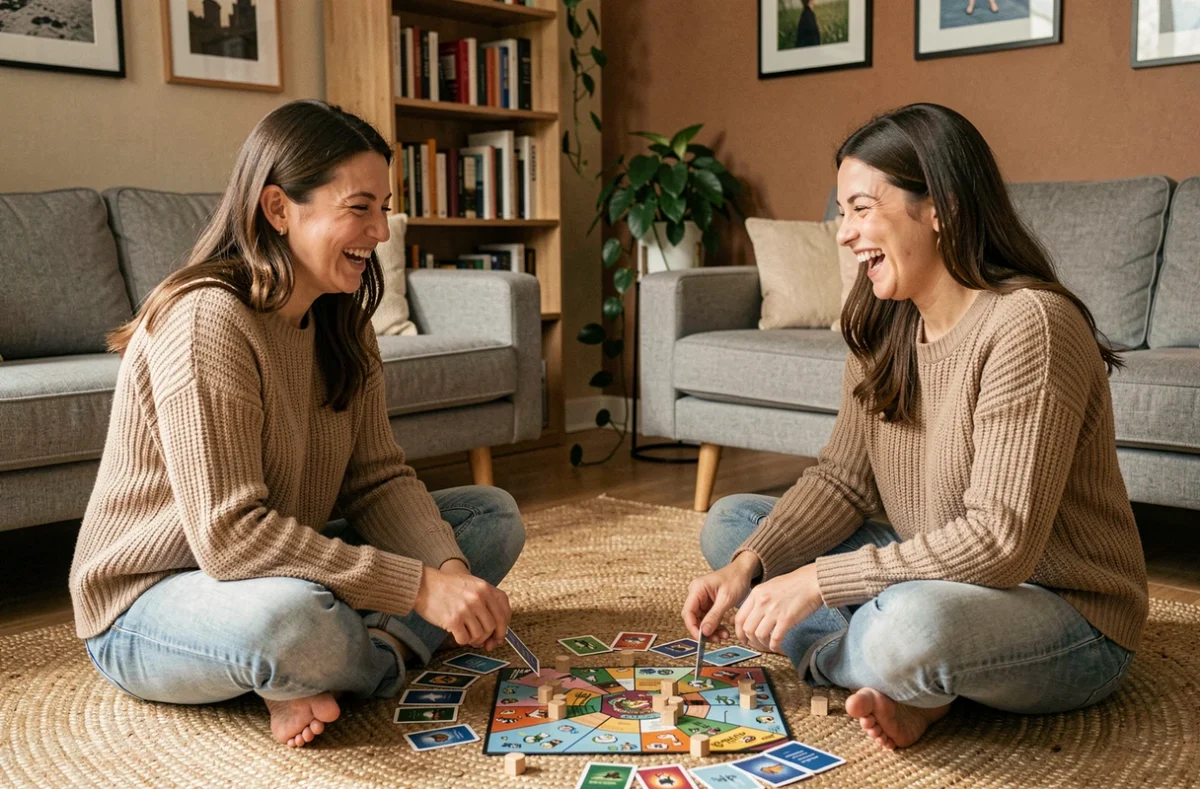
Families with children face an additional constraint: finding activities suitable for all ages. Board games provide a reliable common ground. They require little equipment, can be played indoors or outdoors, and their duration can be adjusted based on the number of players.
For a birthday or a camping activity, short formats (less than thirty minutes per game) maintain the concentration of younger participants. Cooperative games, where players collaborate against the game itself, reduce conflicts and enhance group dynamics.
- Outdoor skill games (petanque, molkky) combine light physical activity and interaction, even in winter if the ground allows
- Parent-child cooking workshops develop fine motor skills and concentration while producing a tangible result
- Themed treasure hunts transform an ordinary space (garden, apartment) into a playful exploration area
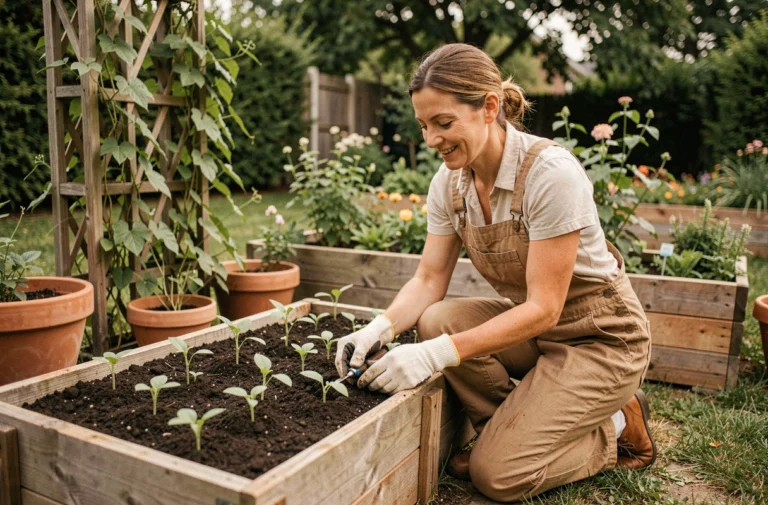
The most sustainable activity is one that does not depend on a screen or a subscription. A deck of cards, a pair of walking shoes, or a gardening kit is enough to occupy several seasons.
Volunteering and Cultural Leisure in France: Evolving Formats
Volunteering remains one of the few leisure activities that combines social utility, human connection, and a sense of accomplishment. Its format is evolving: in addition to regular commitments, occasional missions are being added, suitable for people with little free time.
A legal clarification deserves attention. In France, volunteering is linked to an organization and does not have a general legal definition. Assistance provided directly to an individual falls more under mutual aid or volunteer assistance agreements, with different implications for liability and insurance.
Regarding cultural outings, the 2025 Cultural Outings Barometer from the Ministry of Culture indicates that attendance at cinemas, shows, museums, and libraries remains close to that observed in 2024, with a slight decline. This stagnation does not reflect a lack of interest but rather a redistribution towards home or outdoor practices.
Cultural Activities Accessible Without Travel
- Virtual museum tours, available for free, offer an alternative to physical outings for people with reduced mobility or those living far from urban centers
- Cultural podcasts and radio shows transform a daily commute into a learning moment
- Online book clubs create a group effect without constraints of location or schedule
The key takeaway for choosing an effective leisure activity can be summed up in one question: does this activity meet a need that my day does not cover? If work imposes a sedentary lifestyle, prioritize hiking or sports. If the day is solitary, aim for collective games or volunteering. The best leisure activity is not the most popular; it is the one that compensates for the imbalance of daily life.